Stainless Steel Sealed Tank Stainless Steel Vacuum Sealed Canisters for Coffee Beans,Tea, Kitchen Storage Containers

Stainless Steel Sealed Tank Stainless Steel Vacuum Sealed Canisters for Coffee Beans,Tea, Kitchen Storage Containers

400Ml - Black
$31.93
Skip to product information
Stainless Steel Sealed Tank Stainless Steel Vacuum Sealed Canisters for Coffee Beans,Tea, Kitchen Storage Containers

Stainless Steel Sealed Tank Stainless Steel Vacuum Sealed Canisters for Coffee Beans,Tea, Kitchen Storage Containers

$31.93
Color

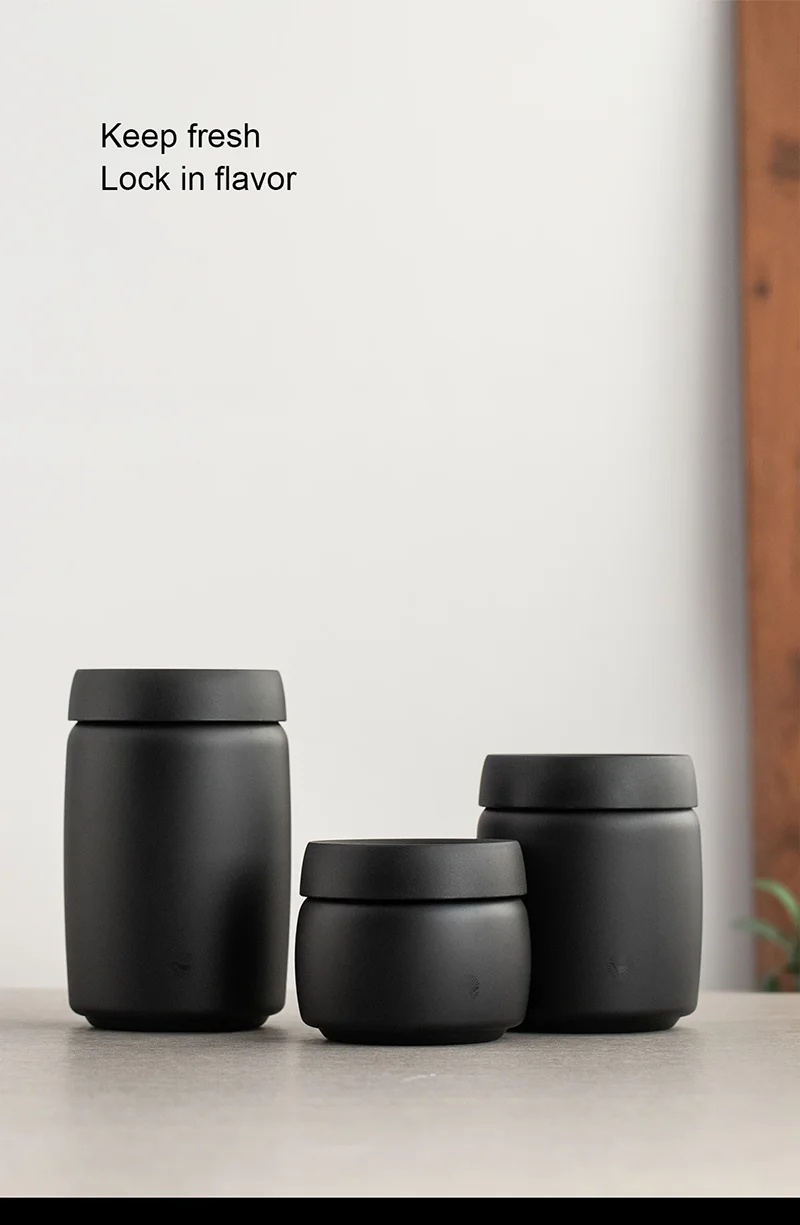
CAFEDE KONA Stainless Steel Vacuum Coffee Canister, Manual Air-Removal Storage Container for Coffee Beans & Tea, 400/800/1200ml

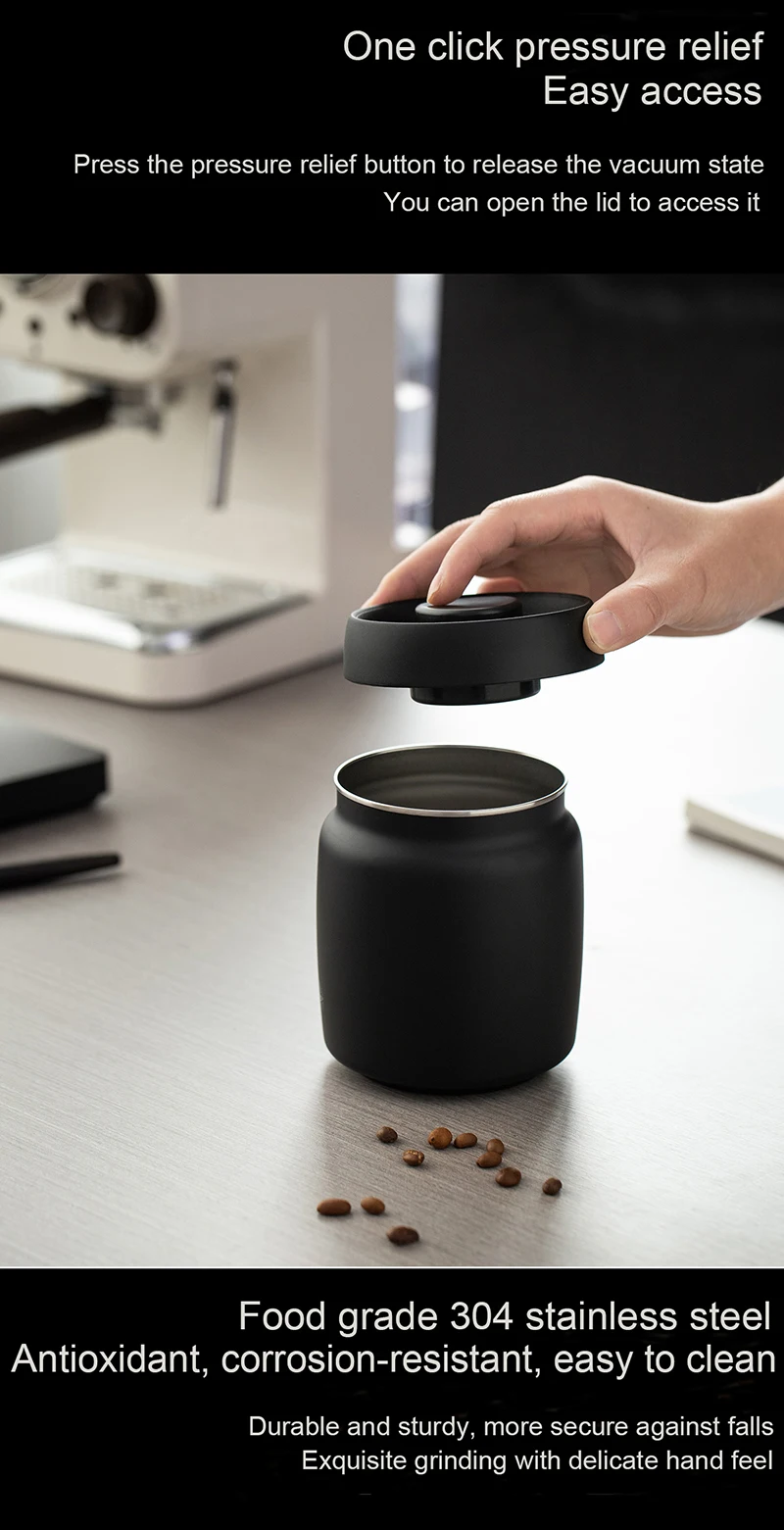
Stainless Steel Construction
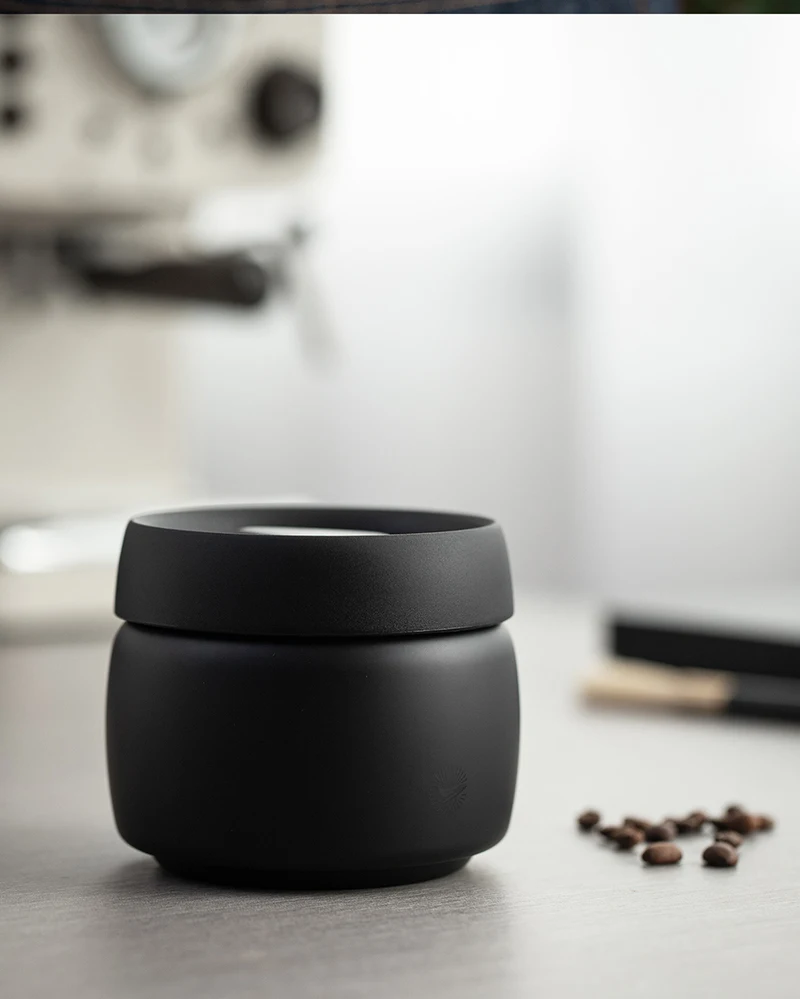
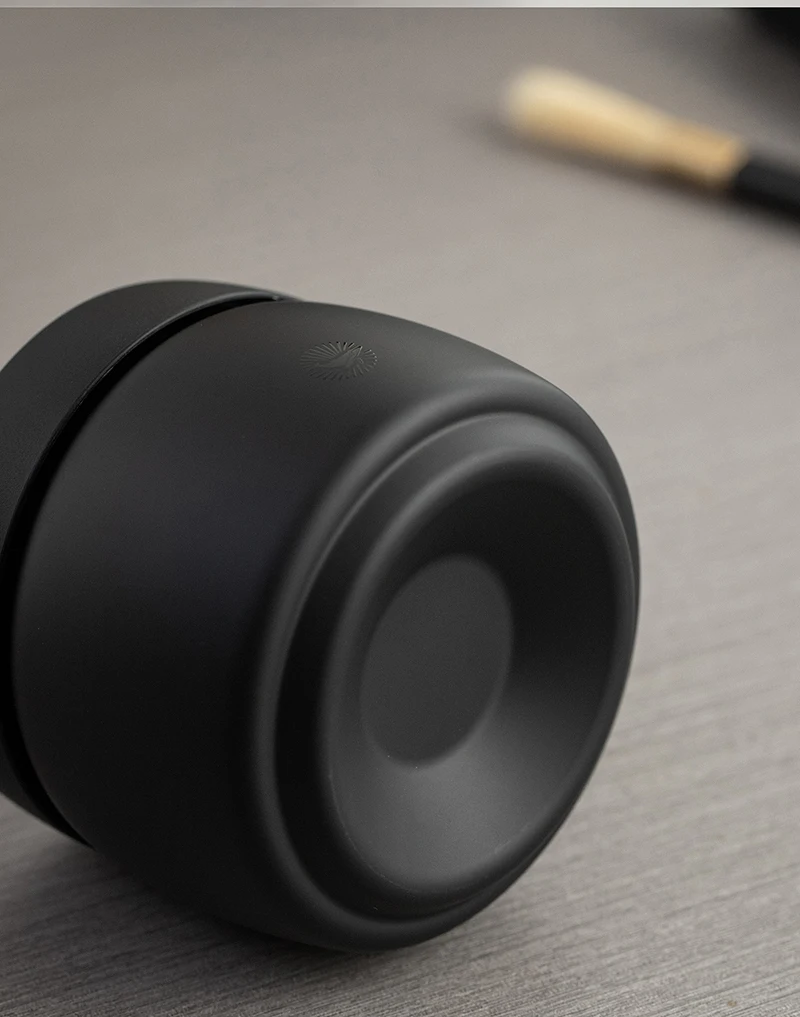
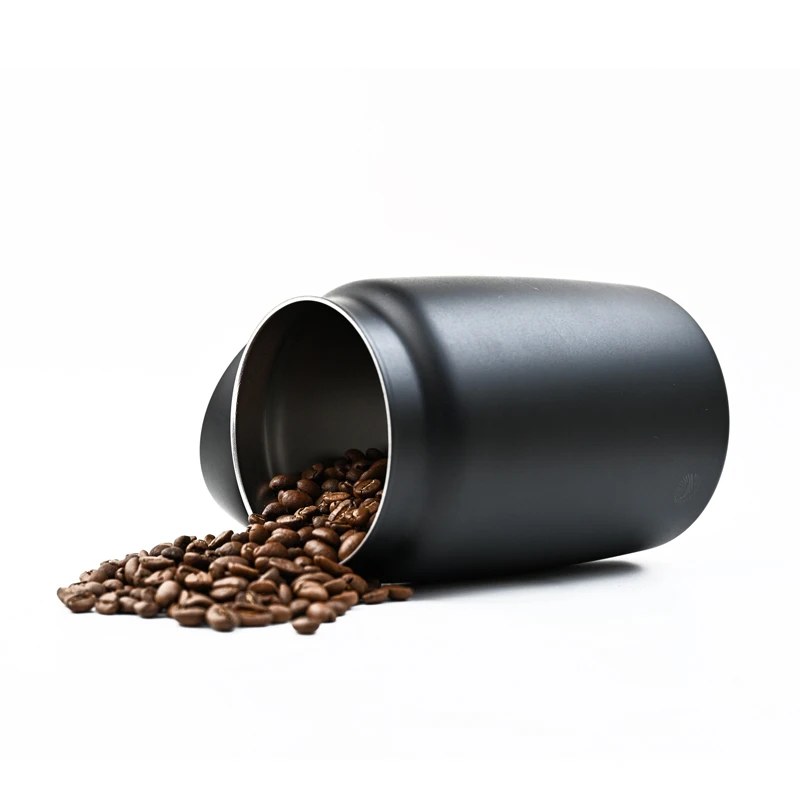
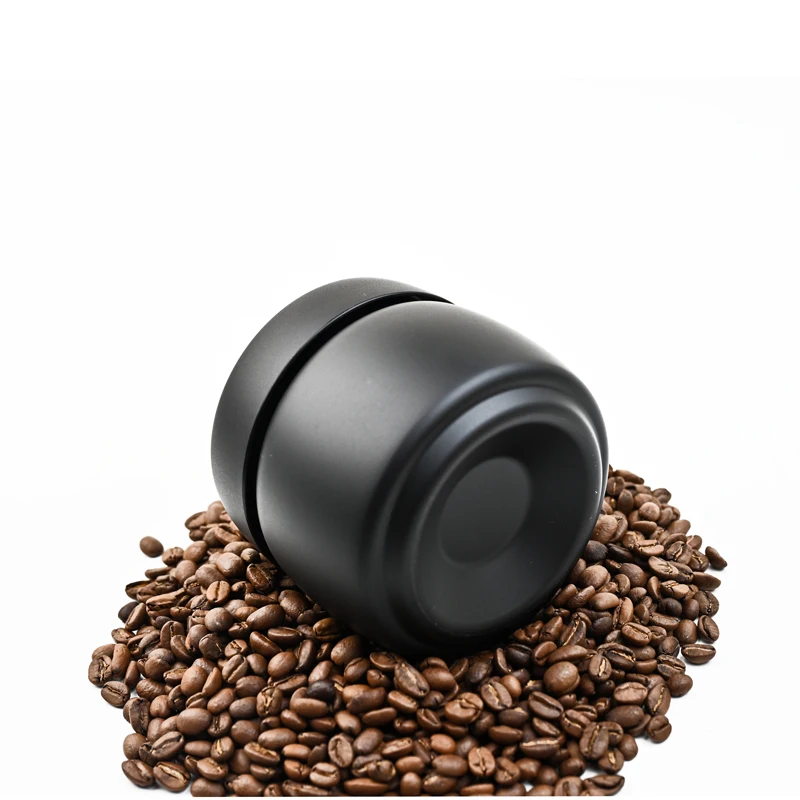
A stainless steel body with a clean black finish brings a refined look to your coffee corner. The opaque body helps keep stored contents away from direct light.

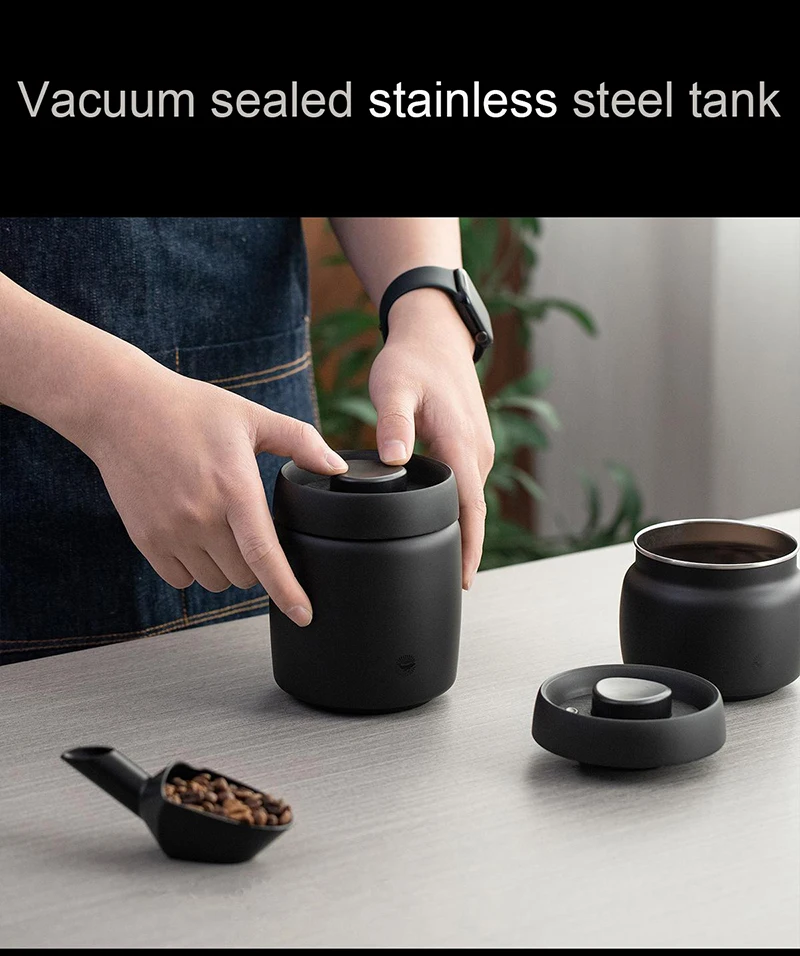
Manual Vacuum Storage
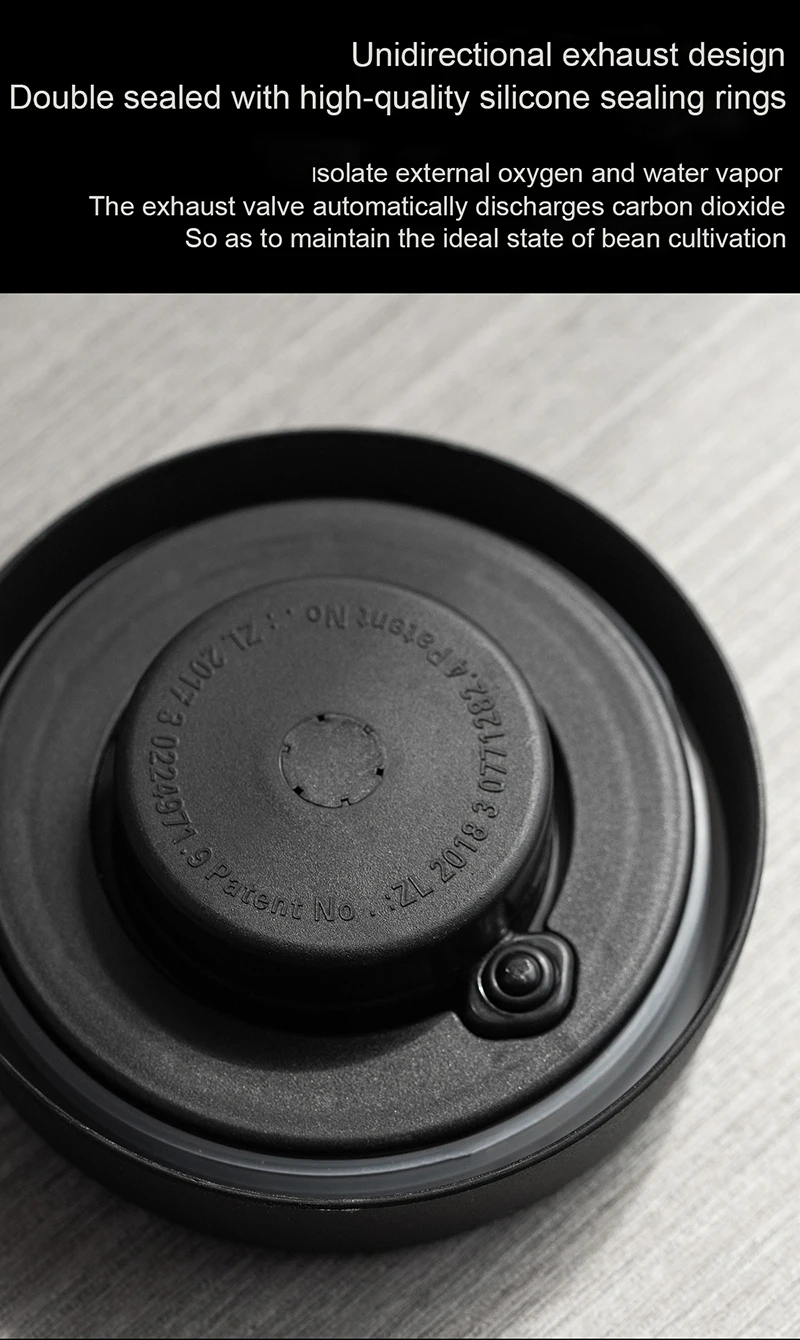
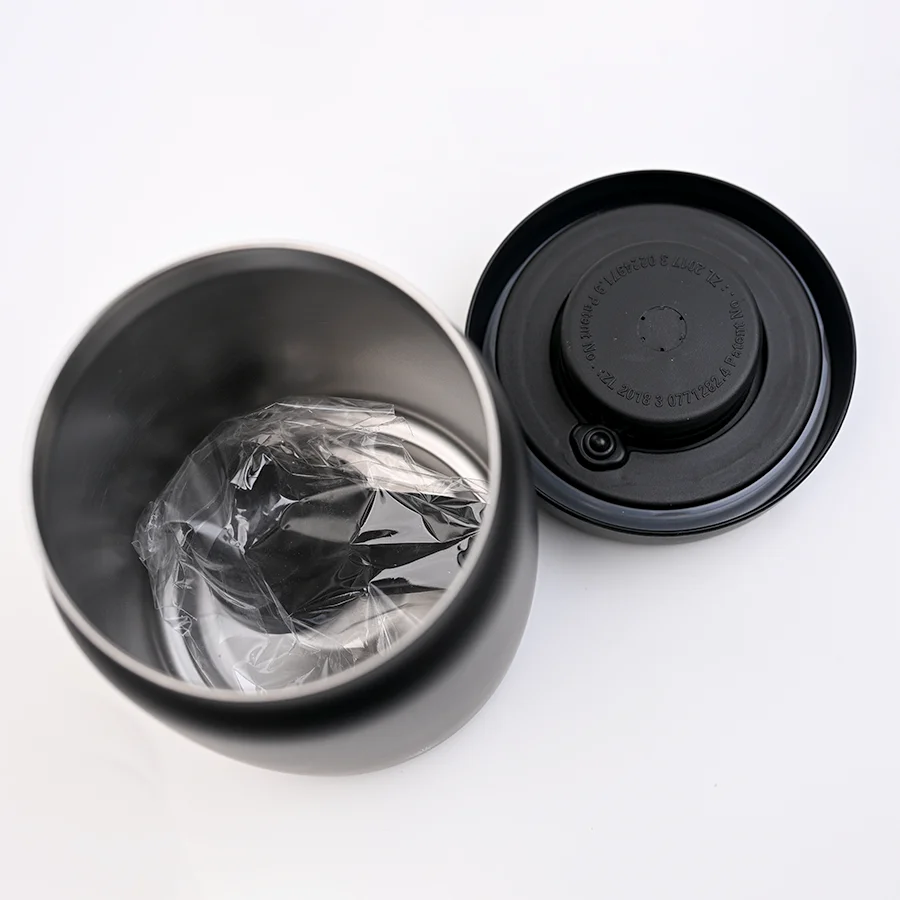
The built-in manual air-removal mechanism removes some of the air inside the canister, creating a partial vacuum for everyday storage. It does not remove all air or automatically maintain a constant vacuum.

Made for Your Daily Coffee Routine
Keep coffee beans or loose-leaf tea neatly stored and within easy reach. After opening and closing the canister, operate the vacuum mechanism again to restore the reduced-pressure environment.

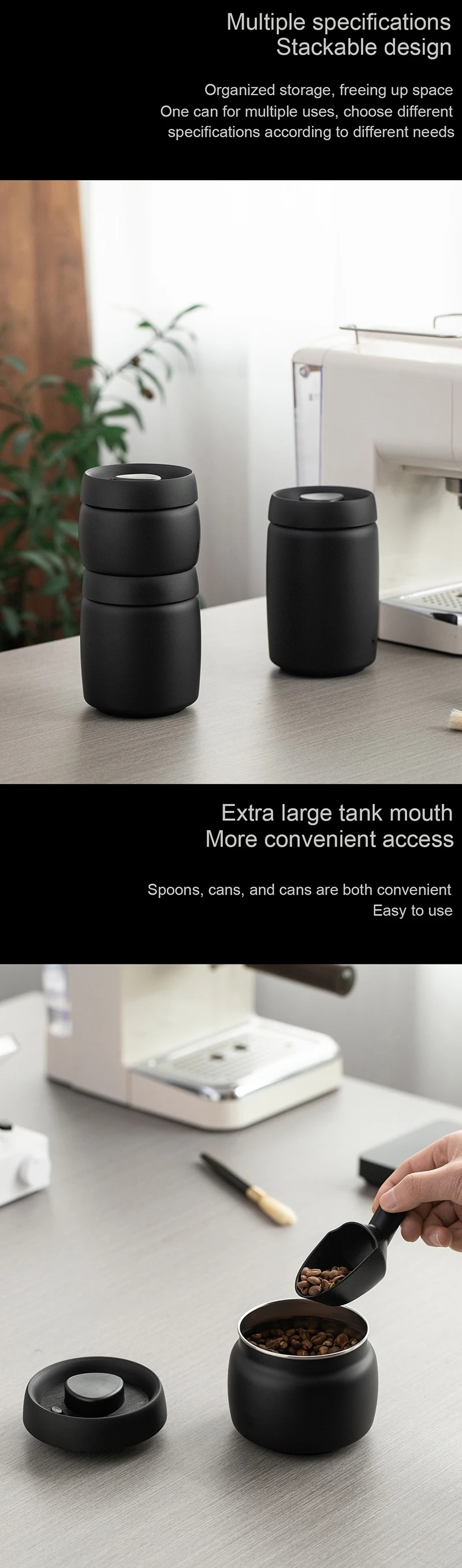
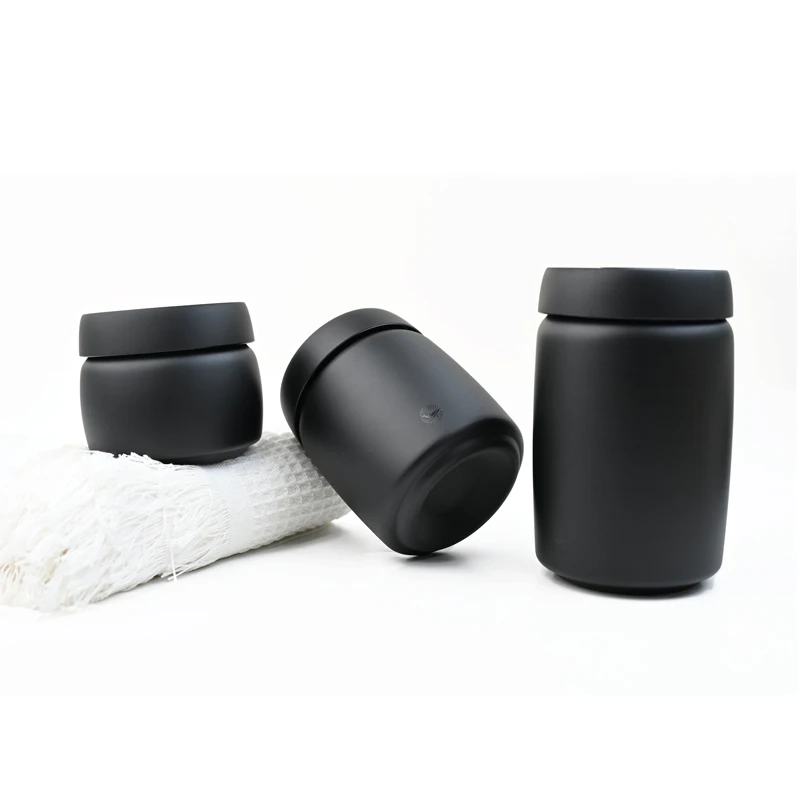
3 Capacity Options
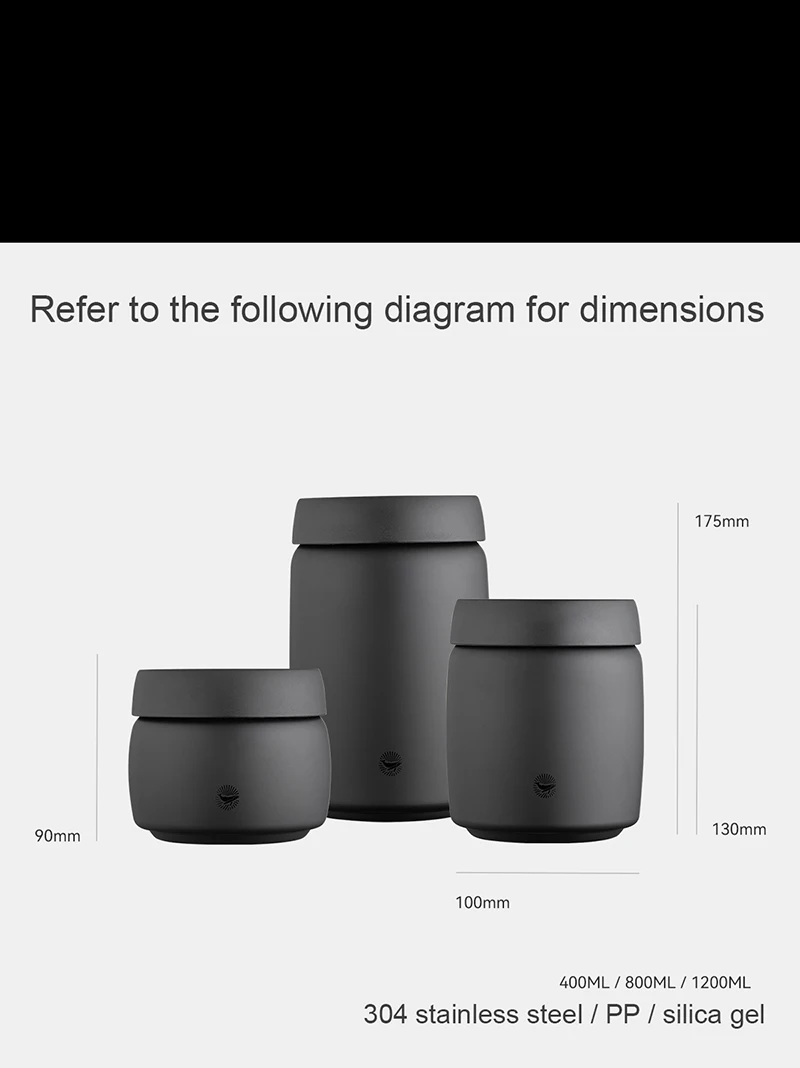
Choose from 400ml, 800ml and 1200ml to suit your storage needs. These figures indicate container volume; the weight of coffee beans that fits inside varies with bean size and roast level. Leave enough space for the lid to close properly.

Simple Care for Consistent Performance
Keep the rim, sealing ring and valve area clean and free from coffee particles. Hand-wash the stainless steel body and dry it thoroughly. Wipe the lid with a slightly damp cloth; do not rinse or immerse the lid.

Please Note
Freshly roasted coffee beans release carbon dioxide, which can reduce the vacuum inside a closed container. Check the vacuum condition periodically and pump again when needed.


Why the Canister May Lose Vacuum Initially

Freshly roasted coffee beans release a significant amount of CO₂ within the first 10-15 days after roasting. This natural process can cause pressure to build up inside the canister, pushing the vacuum pump upward. No need to worry—this is completely normal! Simply press the pump down again as needed during this period. Once the degassing phase slows down, the canister will maintain a stable vacuum more effectively.

Important Care Instructions

To ensure long-lasting performance, please note:

Do not wash the lid with water. The vacuum pump contains small air channels that can become clogged if water enters, affecting the seal.

If cleaning is necessary, wipe the lid with a damp cloth (not wet) and ensure it is fully dry before reuse.

Avoid submerging the canister in water or placing it in a dishwasher.

Additional Usage Tips

Store the canister in a cool, dry place away from direct sunlight.

For best results, ensure the rim and seal are free of debris before closing.

If storing other degassing foods (e.g., nuts, dried fruits), you may also need to re-pump occasionally.


QUESTIONS & ANSWERS:

Q1. Does this canister create a complete vacuum?

No. The manual mechanism removes some of the air inside the canister and creates a partial vacuum. It does not remove all oxygen, sterilize the contents or maintain a constant vacuum automatically.

Q2. Why does the button rise again after I have vacuum-sealed the canister?

A change in the button position may indicate that the pressure inside the canister has changed.

Roasted coffee beans naturally release carbon dioxide, especially when freshly roasted. Gas released by the beans can increase the internal pressure and reduce the vacuum, even without outside air entering.

However, this is not the only possible cause. Residue on the sealing surfaces, an incorrectly seated lid or a sealing-component problem may also affect vacuum retention. A rising button alone does not establish whether the canister is defective.

Q3. How long should the vacuum last? Is losing vacuum after one or several days normal?

Vacuum retention depends on the contents, their gas release, the initial vacuum level, storage conditions and the condition of the seal.

The number of days alone cannot confirm either normal operation or a defect. Check the vacuum condition periodically and pump again as needed, particularly when storing freshly roasted beans.

If vacuum is repeatedly lost soon after pumping, or the canister cannot establish a vacuum, follow the checks below and contact us if the issue continues.

Q4. What should I check if the vacuum does not seem to hold?

• Make sure the lid is seated evenly and the contents do not obstruct it.
• Check that the canister rim and sealing ring are clean, dry and free from coffee particles.
• Look for visible damage or displacement of the sealing ring.
• Operate the vacuum mechanism according to the product instructions.
• If necessary, compare its behavior when empty, clean and dry, keeping it at a stable room temperature.

An empty-canister comparison can help separate the effect of coffee-bean gas release from other possible causes, but it is not a complete leak test.

Q5. What if the button is unusually difficult to press or the lid does not fit properly?

Check that the contents are not blocking the lid and that the sealing ring is correctly positioned. Do not force a jammed button or force the lid into place.

If the mechanism remains unusually stiff or the lid still does not seat correctly, please contact us with a short video so we can help assess the issue.

Q6. How should I clean the stainless steel body and the lid?

Hand-wash the stainless steel body with a soft sponge and mild detergent, rinse thoroughly and dry completely before use. Avoid abrasive pads that may scratch the finish.

Clean the lid separately with a slightly damp cloth. Do not rinse it under running water, immerse it or place it in a dishwasher. Keep water and cleaning solution out of the pump and valve openings.

Q7. Can I store powders or carry the canister by its lid?

Fine powders can leave residue around the sealing ring or enter the valve area. If storing powdered ingredients, keep them away from the lid and clean away any residue before sealing. Store the canister upright.

Always carry the canister by holding the stainless steel body, not the lid alone, to reduce the risk of the body detaching and the contents spilling.

Q8. Does vacuum storage guarantee that coffee stays fresh indefinitely?

No. Vacuum storage reduces the amount of air present but does not stop all changes in aroma or freshness. Bean age, roast level, temperature and how often the container is opened also matter.

Use the canister for everyday dry-food storage. Vacuum storage does not replace refrigeration or other appropriate preservation methods for perishable foods.


You may also like